Case 02 · Relate
Refocusing the founders' plan, then shipping it in five days
I joined a YC-backed CRM to build a 0 to 1 product and was handed a plan. Two weeks of research later I showed the founders that it led with what reps did not need, and brought the evidence for what they did.
- Role
- Product Manager.
- Timeframe
- January to May 2026.
- Product
- Sales decks with prospect view-tracking.
- Worked with
- The founders and two engineers.
In 30 seconds
- I pushed back on the founders' plan with evidence. A 12-tool teardown showed reps' daily gap: not knowing who opened their deck. Waitlist enrollment rose 45%.
- I wrote a spec a model could not misread. Acceptance criteria as the Claude Code spec took a 3-week build to 5 days. The CEO reused the format.
- The bet held in the pilot. View-tracking on email, calendar and Slack raised reply rates 25%.
01The problem
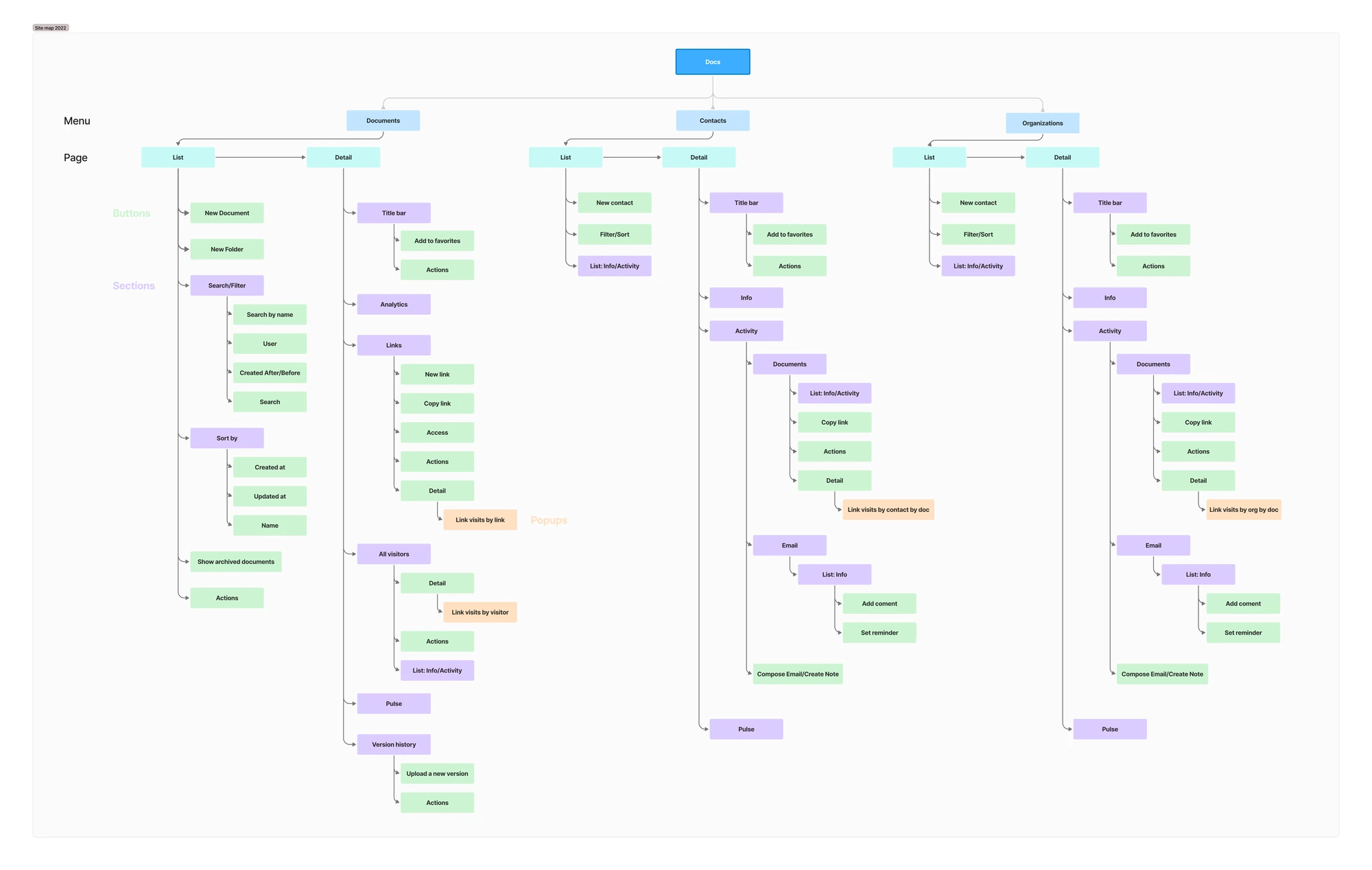
I joined Relate, a YC S22 sales CRM, to own a 0 to 1 sales-deck product. The founders' plan was a broad deck platform built on generic CRM fields. For a team with two engineers, I could not point at one feature and say which rep problem it solved first.
A feature and pricing teardown of 12+ tools, a Figma prototype and a landing-page smoke test pointed to one gap reps hit every day: after sending a deck, they had no idea whether the prospect read it.
The same product, reshaped around one job
What the plan weighted equally, and what we put at the center.
Tested before code: 1 in 4 revenue-team visitors signed up on the landing page. After the change: waitlist enrollment +45%.
Reps did not need another place to store fields. They needed to know who read the deck.
02What I considered
| Approach | For | Verdict |
|---|---|---|
| Build the plan as written | No conflict, and the founders know their market. | Rejected. The most expensive way to be wrong. |
| Build a thinner version of it | Faster, still avoids the disagreement. | Rejected. A smaller wrong shape tests nothing. |
| Re-scope from evidence, then make the case | A decision the founders can check. | Taken. Two weeks up front; changed what we built. |
03Shipping it in five days
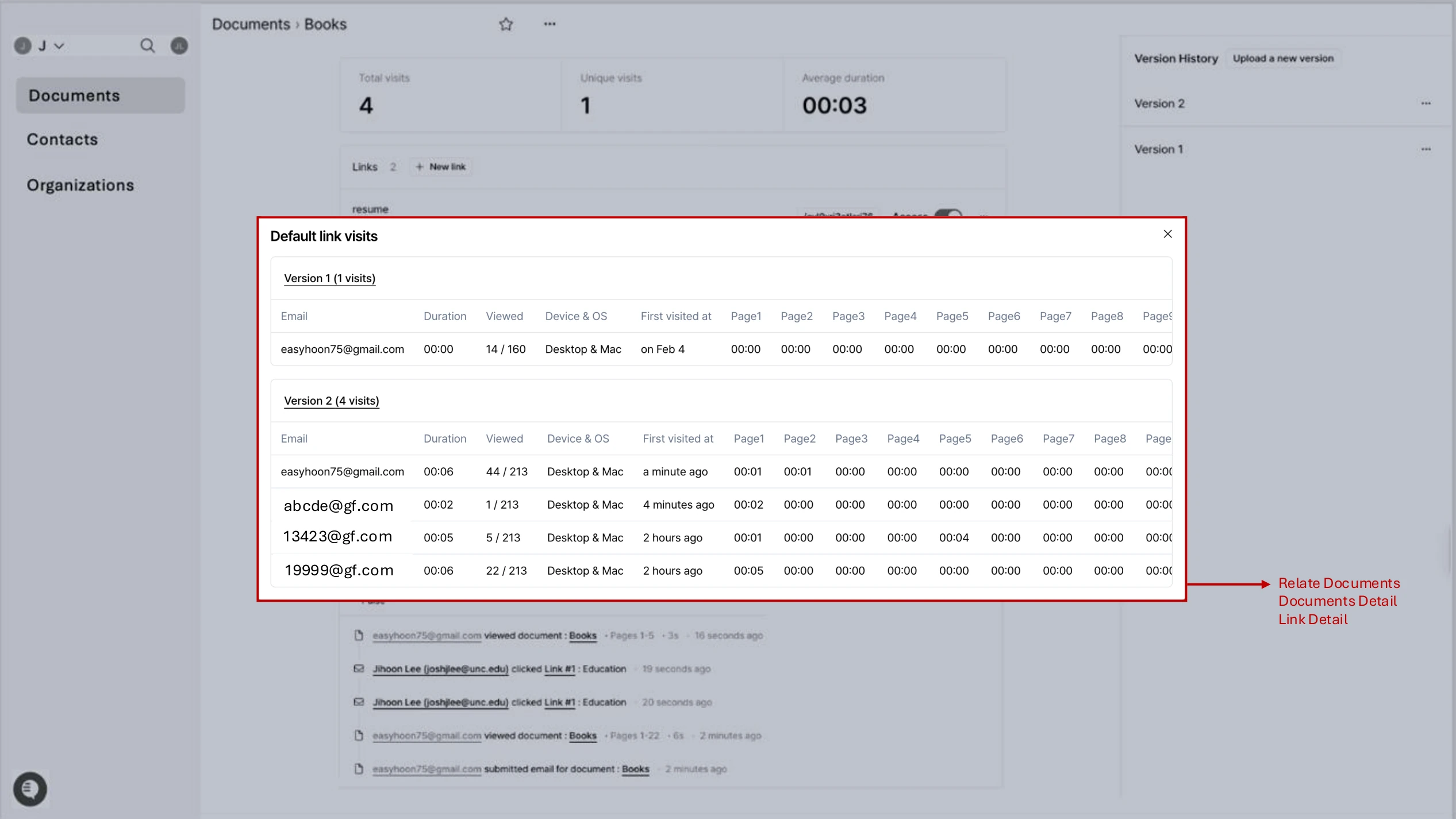
I wrote the PRD and user stories, then built all 18 screens with Claude Code. My first spec described each screen, and the output kept coming back slightly wrong. So I rewrote it as acceptance criteria. Descriptions are interpretable; criteria are testable.
A three-week estimate shipped in five days. We then moved releases from every two weeks to every three days, caught 20+ defects before release, and held the 8-week MVP date.
Why the first spec failed, and the one that worked
One screen, the deck list. A reconstructed example; the real spec covered all 18 screens.
The deck list shows the user's decks with their view counts.
- Shows every deck the rep owns, newest first.
- Each row shows the deck name, who it was shared with, total views and the last view time.
- A deck nobody has opened says "Not viewed yet", not 0.
- Clicking a row opens that deck's view analytics.
- With no decks, the empty state offers "Create deck".
04Where it got to
200
Reps on the product.
+45%
Waitlist enrollment after the roadmap change.
+25%
Reply rates in the rep pilot.
+70%
Site visitors from an SEO series.
The result that mattered most: the founders took the re-scope, because it came with evidence they could check.
05What I would do differently
Bring the disagreement sooner. Waiting for a complete case cost about a week.
Instrument features before launch. I know reply rates rose; I cannot say which feature brought reps back.
Write the non-goals down. A cut made in a meeting is easy to reopen.